


Work rehabilitation is a specialized, multidisciplinary approach to injury recovery that helps individuals regain function and safely return to work.
By combining physical, psychological, and occupational support, it addresses the full range of challenges that can arise after a workplace injury.
For many individuals, recovering from a workplace injury is not just about healing. It is about restoring the ability to perform meaningful tasks, manage symptoms, and re-engage with daily life. Work rehabilitation programs are designed to guide this process in a structured and sustainable way, supporting both short-term recovery and long-term outcomes.
In this article, we explore how work rehabilitation helps people recover, rebuild function, and return to work with confidence.
Benefits of Work Injury Rehabilitation
Work injury rehabilitation offers important benefits for individuals navigating the injury recovery process after a workplace incident.

By participating in structured return-to-work rehabilitation programs, individuals can rebuild strength and endurance in a controlled environment. This reduces the risk of reinjury and supports a more confident transition back to work.
Work injury rehabilitation also improves functional capacity, helping individuals meet the physical and cognitive demands of their job. Through integrated care, patients often experience better symptom management and improved long-term outcomes.
For those navigating a complex workers' compensation process that can vary from patient to patient, this approach provides a clear, coordinated path forward, reducing delays and improving communication across care teams.
Core Components of Work Injury Rehabilitation Programs
Most work injury rehabilitation programs include a combination of therapies and services designed to support full recovery.

Physical Rehabilitation
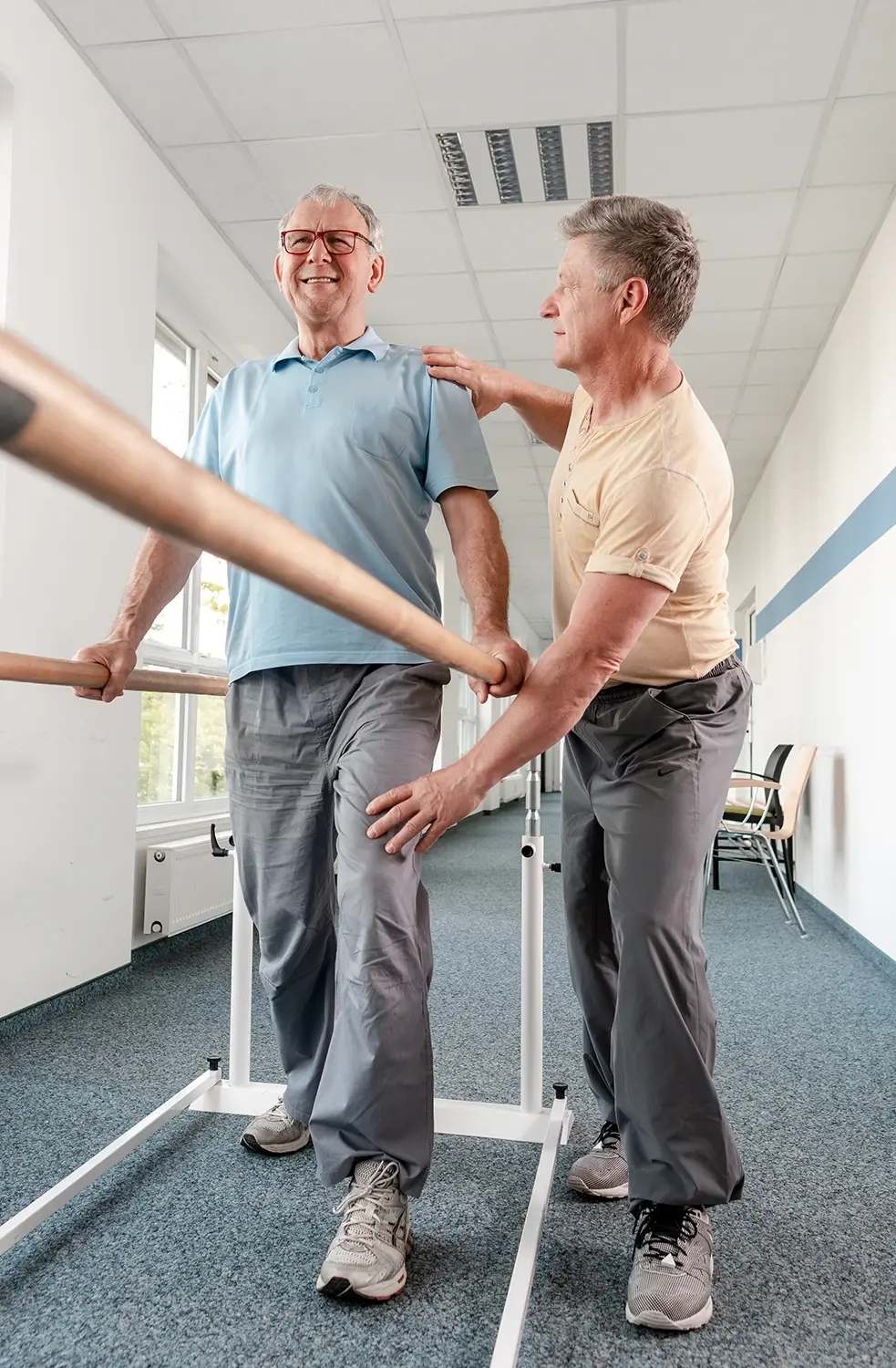
Physical rehabilitation focuses on rebuilding strength, mobility, and endurance. Through physical therapy for work injuries, individuals improve movement patterns and develop the capacity to perform sustained activity.

Functional and Occupational Training
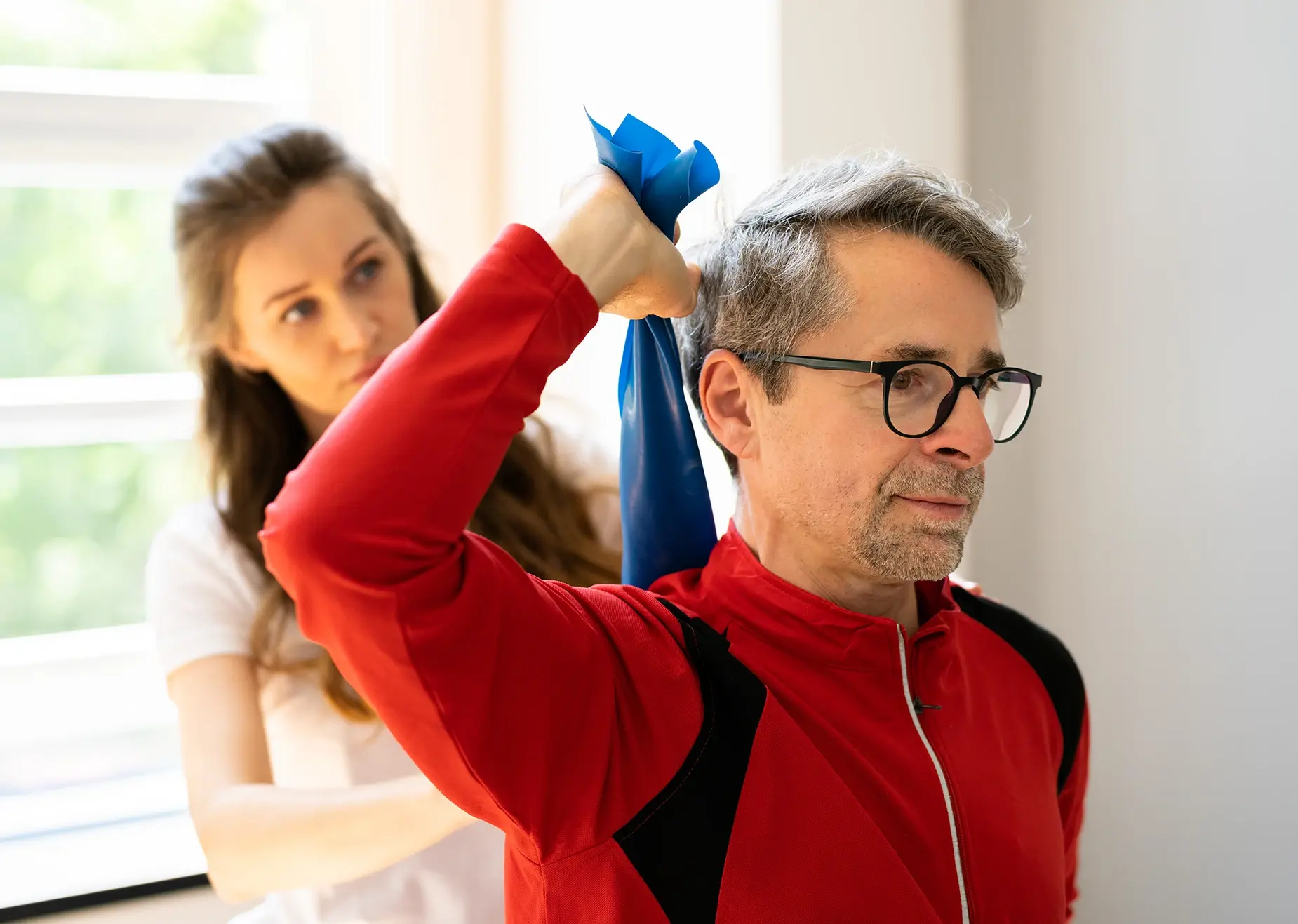
Occupational therapy for work injuries helps individuals regain the ability to perform job-specific tasks, such as lifting, carrying, or repetitive movements. This type of training is essential for restoring independence and job readiness.

Cognitive and Communication Support
For individuals with neurological injuries, speech therapy and cognitive rehabilitation address challenges with memory, attention, and communication.

Mental Health and Behavioral Support
Recovery often involves psychological challenges. Mental health support for injury recovery helps individuals develop coping strategies, reduce fear, and improve confidence in returning to activity.

Vocational Rehabilitation
Vocational rehabilitation services focus on preparing individuals for a return to work. This may include job analysis, workplace modifications, and gradual return-to-work planning.
Types of Work Injury Rehabilitation Programs
Work injury rehabilitation includes several structured programs that vary based on the individual’s needs and stage of recovery.
Structured Intensive Multidisciplinary Programs
These programs are designed for individuals experiencing persistent pain treatment needs or complex work injury/occupational disease recovery challenges.
They combine physical reconditioning, education, vocational counseling, and behavioral strategies to address both physical and psychological aspects of recovery. Many individuals with persistent pain rehabilitation needs benefit from this approach, as it helps improve function while reducing symptom interference.
By incorporating pain management strategies and neuroscience education, these programs support long-term recovery and improved activity tolerance.
Learn more about RIW’s Structured Intensive Multidisciplinary Program.

Brain Injury and Concussion Rehabilitation
Brain injury rehabilitation is an important component of work injury rehabilitation for individuals with neurological conditions.
Conditions may include traumatic brain injuries, electrocution, or other neurological events that affect cognitive and physical function. These programs often involve occupational therapy, speech therapy, physical therapy, and mental health services to address cognitive, physical, and emotional changes following an injury.
Concussion is a type of brain injury, so rehabilitation should be approached similarly, with focus on managing symptoms such as headaches, dizziness, fatigue, and addressing cognitive and physical changes with training strategies to compensate for challenges as well as exercise to improve skills. A combination of symptom-specific therapies may be needed to support a safe and gradual return to activity while minimizing symptom exacerbation.
Learn more about RIW’s approach to concussion treatment
Learn more about RIW’s Brain Injury Rehabilitation Program

Work Conditioning or Work Hardening
Two of the most common return-to-work injury rehabilitation programs are work conditioning and work hardening.
Work Conditioning
A work conditioning program for injury recovery focuses on restoring an injured worker to the function level necessary for return to work. It is a less intensive type of work rehabilitation program, intended for workers with sedentary to medium physical job demands. Treatment is 2-4 hours/day up to five days a week.
Work Hardening
A work-hardening program is more intensive and job-specific. It is intended for workers with medium to heavy physical job demands. Treatment is 2-8 hours/day up to five days a week.
Both programs play an important role in rebuilding functional capacity and ensuring readiness for sustained activity.
Rehabilitation Therapies Used in Work Injury Rehabilitation
Work injury rehabilitation relies on a coordinated set of therapies that address multiple aspects of recovery.
-
Physical therapy for work injuries improves strength, mobility, and endurance.
-
Occupational therapy for work injuries focuses on functional task performance.
-
Speech therapy supports communication and cognitive recovery when needed
-
Mental health support for injury recovery addresses emotional and behavioral factors.
The integration of these therapies allows for a more comprehensive and effective rehabilitation process.

First Step of Work Injury Rehabilitation
A thorough evaluation is an essential first step in workplace injury rehabilitation. This process helps identify the underlying causes of symptoms and any barriers to recovery.
Common challenges may include delayed diagnosis, ineffective treatment approaches, or over-reliance on passive interventions. Psychological factors and environmental influences can also impact progress.
By identifying these barriers early, rehabilitation plans can incorporate targeted strategies such as pain management and behavioral support to improve outcomes.
Returning to Work After Injury

Returning to work after injury is a gradual process that involves rebuilding physical capabilities, improving activity tolerance, and addressing both physical and psychological barriers.
Work injury rehabilitation provides a structured framework for this transition. By focusing on functional recovery, job-specific rehabilitation, and coordinated care, it helps individuals return to work in a way that is both safe and sustainable.
For many, this process represents more than recovery. It is a return to independence, routine, and quality of life.

Learn More About Work Injury Rehabilitation
Work injury rehabilitation continues to evolve as healthcare moves toward more integrated, function-focused models of care. For individuals, providers, and organizations, understanding these approaches can make a meaningful difference in recovery outcomes and return-to-work success.
Contact Rehabilitation Institute of Washington or refer a patient to start the conversation.