Rehabilitation That Gets People Back to Work

Rehabilitation That Gets People Back to Work

When an injury keeps someone off the job for weeks or months, it doesn’t just affect their body. Work touches everything — identity, routine, finances, relationships, sense of purpose.

That’s why getting back to work after a serious injury can feel so overwhelming, even when the initial medical treatment is “done.” RIW’s Work Rehabilitation Program is designed for exactly that moment.

Instead of focusing only on pain or a specific body part, we look at the whole person and the real-world demands of their job. Our program blends physical rehabilitation, behavioral health, and return-to-work planning into one coordinated approach that helps injured workers move from “I don’t know if I can” to “I know I can, and I have a plan.”

The program is more than just exercising. It brings together:

  • Physical therapy to build strength, endurance, mobility, and confidence in movement.
  • Occupational Therapy for work simulation and functional restoration to practice the exact tasks a worker needs to do on the job — lifting, carrying, reaching, pushing, pulling, standing, crouching, and more.
  • Behavioral health and pain psychology to address the emotional, cognitive, and behavioral barriers that often get in the way of recovery.
  • Case coordination and return-to-work planning to align goals with employers, vocational counselors, insurers, and the rest of the care team.

Importantly, the focus is always on function. What does this person need to be able to do to get back to work safely? And what’s standing in their way, either physically, emotionally, or practically?

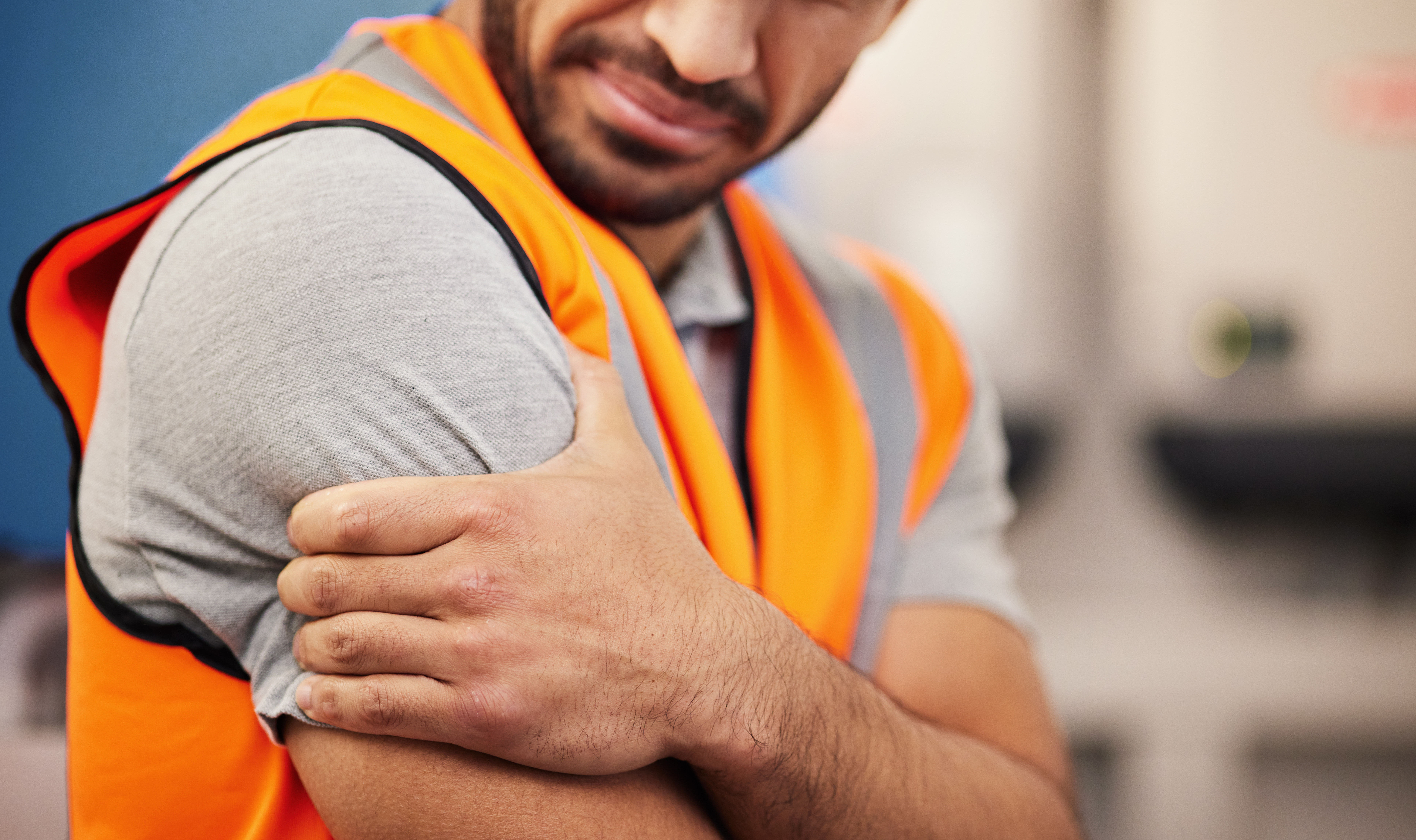
AdobeStock_1133619244

Going beyond an injury

By the time many injured workers arrive at RIW, they’ve already been through a lot — multiple appointments, imaging, maybe a surgery or two, and plenty of time away from their normal routine. It’s common to see a fear of re-injury, or sleep problems, or anxiety and depression.

That’s why our Work Rehabilitation Program includes behavioral health when recommended.

Pain psychologists and behavioral health clinicians work alongside the rehab team to educate workers about the nervous system and pain.

Sessions often include relaxation training, mindfulness-based strategies, and structured problem-solving. The goal is to give them tools that help their nervous system calm down, so their body can do more and their life can open back up.

How the program helps patients get back to work

Every person enters the program with a different story, job, and set of limitations. We start by understanding all of that through a comprehensive evaluation, including:

  • Medical and injury history
  • Functional abilities and limitations
  • Job demands and work history
  • Pain and symptom patterns
  • Psychological and social factors affecting recovery

From there, our team and the worker build a personalized treatment plan anchored around clear, measurable goals.
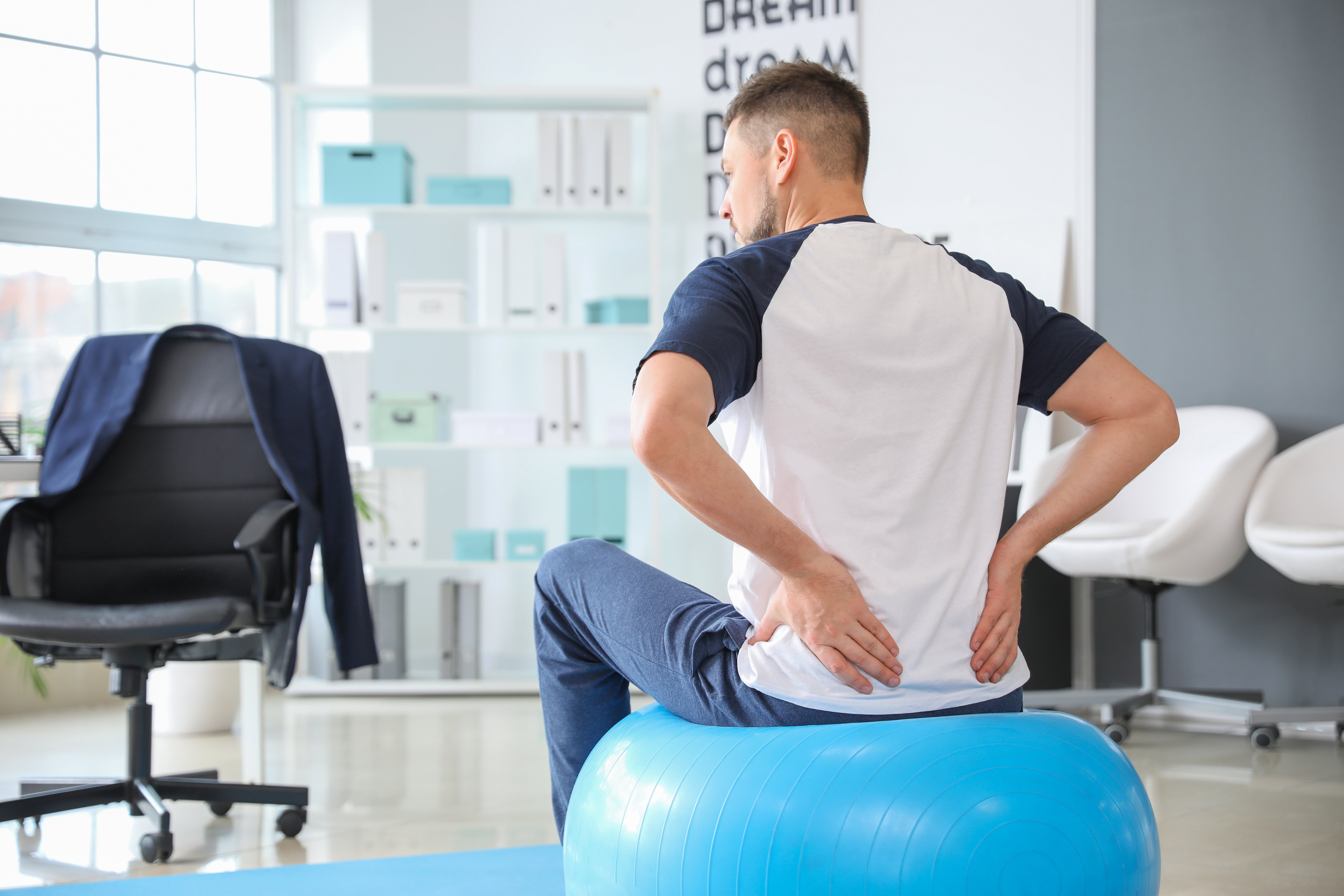

 

AdobeStock_327966313

CONTACT US

Want to Make a Referral?

Click the button below for directions.

NEWSLETTER

Subscribe to Our Newsletter

Enter your information to subscribe to our newsletter filled with insights on rehabilitation, news from RIW, and recommended articles from our team.


Functional, real-world progress

Treatment days at RIW are active and structured. Depending on the individual’s needs, a typical week includes stretching, strengthening, aerobic conditioning, work simulation (e.g. sweeping, shoveling, ladder work, data input) tailored to specific demands. And 1:1 education on topics such as proper pacing and return-to-work planning.

Return to work involves more than a patient and a clinic. Primary care providers, claims managers, vocational counselors, surgeons, and employers are often part of the picture, too.

RIW helps by providing clear, functional progress updates, as well as graduated return-to-work plans. We also recommend modified duties or accommodations when appropriate, and communicate about restrictions on capabilities in a practical, job-related way.

Plenty of clinics say they help people get back to work. But there are four reasons our approach is different — and effective. These are:

A truly interdisciplinary team

At RIW, work rehabilitation is not one provider working in isolation. Physical therapists, occupational therapists, pain psychologists, rehabilitation medicine physicians, and other team members communicate regularly and adjust plans together.

That means if a patient’s anxiety is spiking and limiting participation, the behavioral health team and rehab therapists can address it in real time. If a new physical limitation appears, it’s evaluated and folded into the plan quickly. In other words, care is coordinated, not fragmented.

A holistic view of pain and recovery

We recognize that persistent pain and delayed return to work are rarely just about tissue damage. They’re influenced by:

  • Biology (injury, healing, nervous system sensitization)
  • Psychology (beliefs, mood, coping, fear, expectations)
  • Social factors (work culture, family demands, finances, system barriers)

Instead of treating only one piece of that puzzle, we build a program around all of it. This approach is especially important for people whose recoveries have plateaued despite “normal” imaging or a completed course of standard therapy.

Job-specific rehabilitation

Work at a desk is different from work on a construction site or in a warehouse. A nurse’s job is different from a mechanic’s or a delivery driver’s. We take these realities seriously.

Treatment involves job-specific tasks and simulations per the worker’s specific job analysis, so patients are practicing what they’ll actually be doing at work — not just generic exercises. This helps build confidence and provides a much clearer picture of readiness for return to work.

Focus on long-term self-management

The end of the program isn’t the end of the story. We emphasize self-management skills so that patients leave with:

  • A personalized home or gym program
  • Strategies for pacing and activity planning
  • Tools for navigating pain flare-ups
  • Communication skills for talking with supervisors, providers, and family about capabilities and needs

The goal is a successful return to work with a good work/life balance.

SIMP - Getting Back to Life

Holistic at its core

RIW’s Work Rehabilitation Program is built for the complex, real-world challenges that come when recovery doesn’t go as planned.

By combining intensive, functional-based PT and OT, behavioral health therapy, pain education, job-specific work simulation, and thoughtful coordination with the broader care team, we help injured workers move past their injury.

We also help them build confidence and return to meaningful work safely and sustainably.


Have a patient that would benefit from our Work Rehabilitation Program?

BIRP - CTA Image
Make a referral.
Linda Trafton, DPT
Linda Trafton, DPT

Linda Trafton, DPT received her Bachelor of Science in Physical Therapy from the University of Washington and after several years of practice went on to complete her Doctorate in Physical Therapy at A.T. Still University of Health Sciences in 2006. She has been a dedicated member of RIW since 2005. With over three decades of clinical experience, Linda takes a personalized approach to treatment and enjoys being a part of an experienced team, where collaboration ensures that every aspect of a patient’s recovery is considered. She is most interested in SIMP and work rehabilitation. Outside of the clinic, Linda enjoys life in Seattle, including its rainy days, along with attending live theater and cheering for her favorite Seattle sports teams.

CONTACT US

Want to Make a Referral?

Click the button below for directions.

Other Articles

Rehabilitation That Gets People Back to Work

When an injury keeps someone off the job for weeks or months, it doesn’t just affect their body....

CONTACT US

Visit our facility next to Seattle Center in Lower Queen Anne. We have parking on site and are located near several bus lines.

415 1st Avenue N, Suite 200, Seattle, WA 98109

greyscale map with colorful icon indicating facility location