SERVICES
Cognitive behavioral therapies
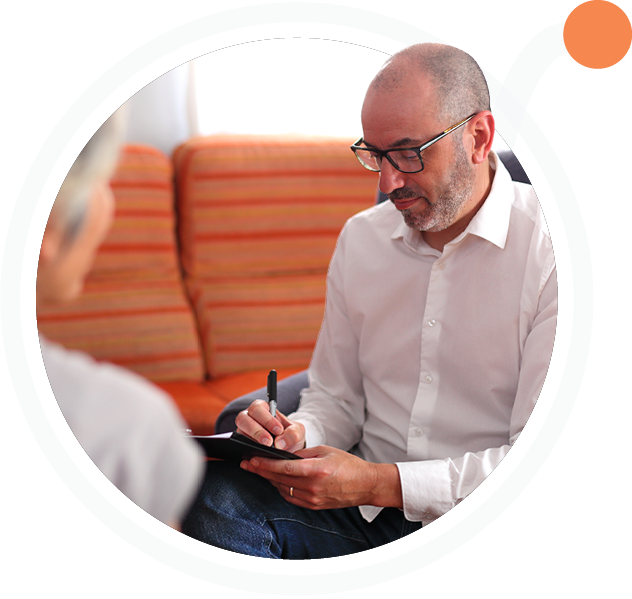
Patients work with a psychologist or licensed mental health counselor to address conditions like persistent pain/physical symptoms, impacts of an injury on functioning, and treating mental health conditions unrelated and related to work injuries that may affect recovery.

Cognitive behavioral treatments
General cognitive behavioral therapy techniques include:
- Cognitive restructuring, emotion-focused coping, and behavioral activation
- Acceptance and commitment therapy
- Mindfulness-based stress reduction
- Pain reprocessing therapy
- Systematic desensitization

Cognitive behavioral treatment goals
- Improving coping with persistent pain and other symptoms by developing healthier beliefs about one’s symptoms and the health of their body
- Overcoming fears of symptoms, and increasing confidence with moving more and doing activities
- Reducing persistent pain and symptom interference on functioning by promoting approach behaviors and re-engagement in activities and settings
- Better understanding of factors affecting persistent symptoms
- Coping strategies to improve distress coping, mood, sleep, and social functioning
- Improving coping with work injury related stressors
- Increasing readiness to re-engage in valued activities, the vocational process, and a healthy lifestyle
PATIENT TESTIMONIALS
What our patients have to say
"Throughout my stay at RIW I really appreciated the one on-one-care. I feel that I was given tools to help me with my TBI which will allow me to help cope with challenges in life. The staff was very professional and compassionate. I am very thankful for my stay."
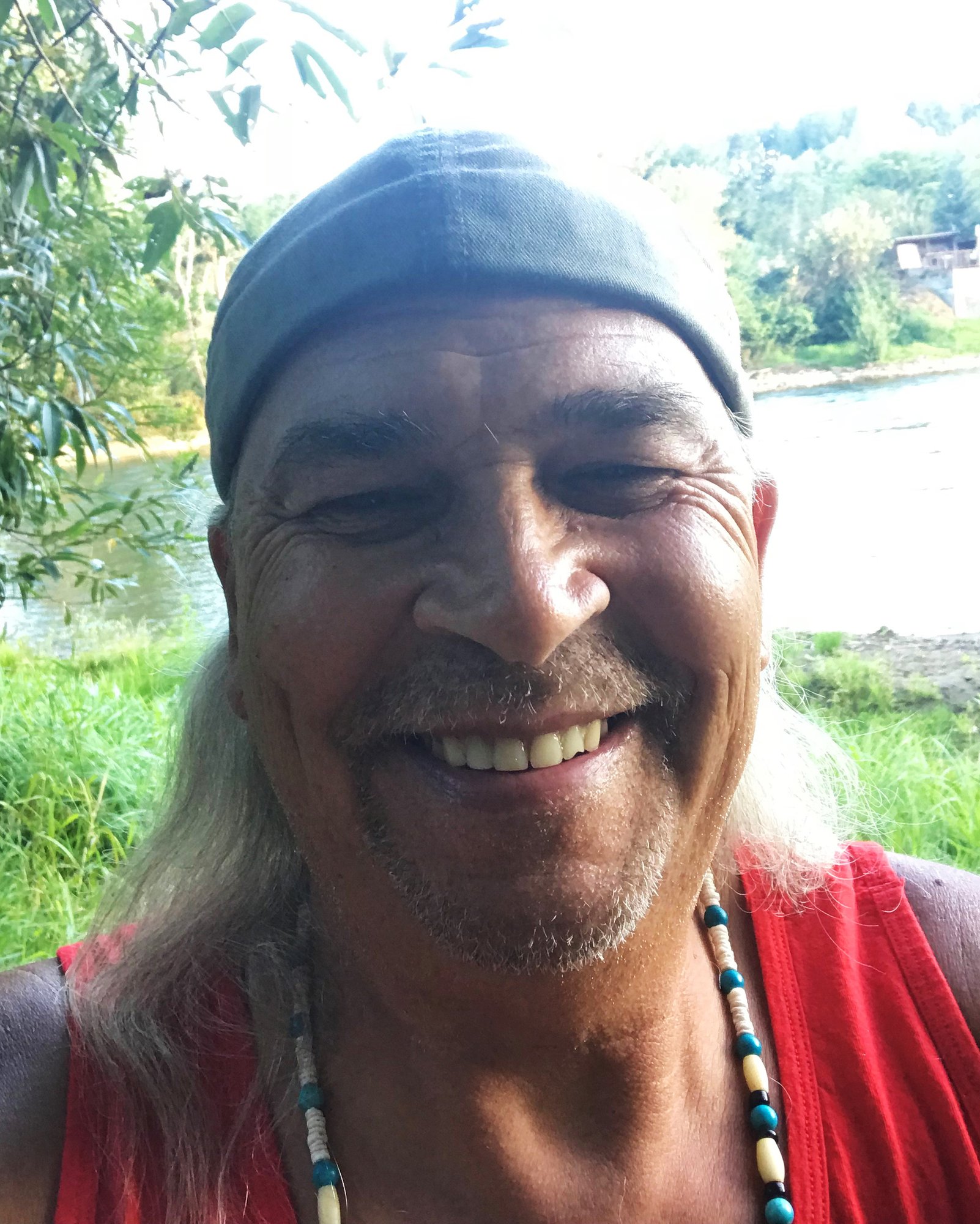
Randy Cottonware
"I can't say enough about the staff at RIW. All the way from the housekeeping to Dr. Moore and Dr. Kroll, everyone here makes you feel like you are special. The whole staff goes well above and beyond to show that they acre. I am embarrassed to say I tried every trick in the book to not come here and to my surprise it has changed my life more than I or my family ever thought."

Allan Heath
"My time at RIW has been rewarding, motivating, and inspiring. I can't thank the staff at RIW enough for their professionalism, their kindness, and dedication to their work. After going through rehabilitation for three years at different facilities, I finally found the one that works. Thank you wholeheartedly RIW!"
Messimor David